Hot spots
A warmer area may be linked to shading, soiling, or a panel issue. Further evaluation is needed to identify the cause.
We use an infrared camera to scan your panels while they’re running.
The images show surface temperature patterns. An unusually warm area may be caused by shading, soiling, or an equipment issue.
Thermal imaging can flag unusual temperature patterns for further evaluation. It doesn't replace an electrical diagnosis, confirm output is on spec, or guarantee warranty eligibility. Your installer or manufacturer may require further tests.
"Thorough job inspecting all my panels, including before/after thermal imaging. The best way to check if your panels are working well."
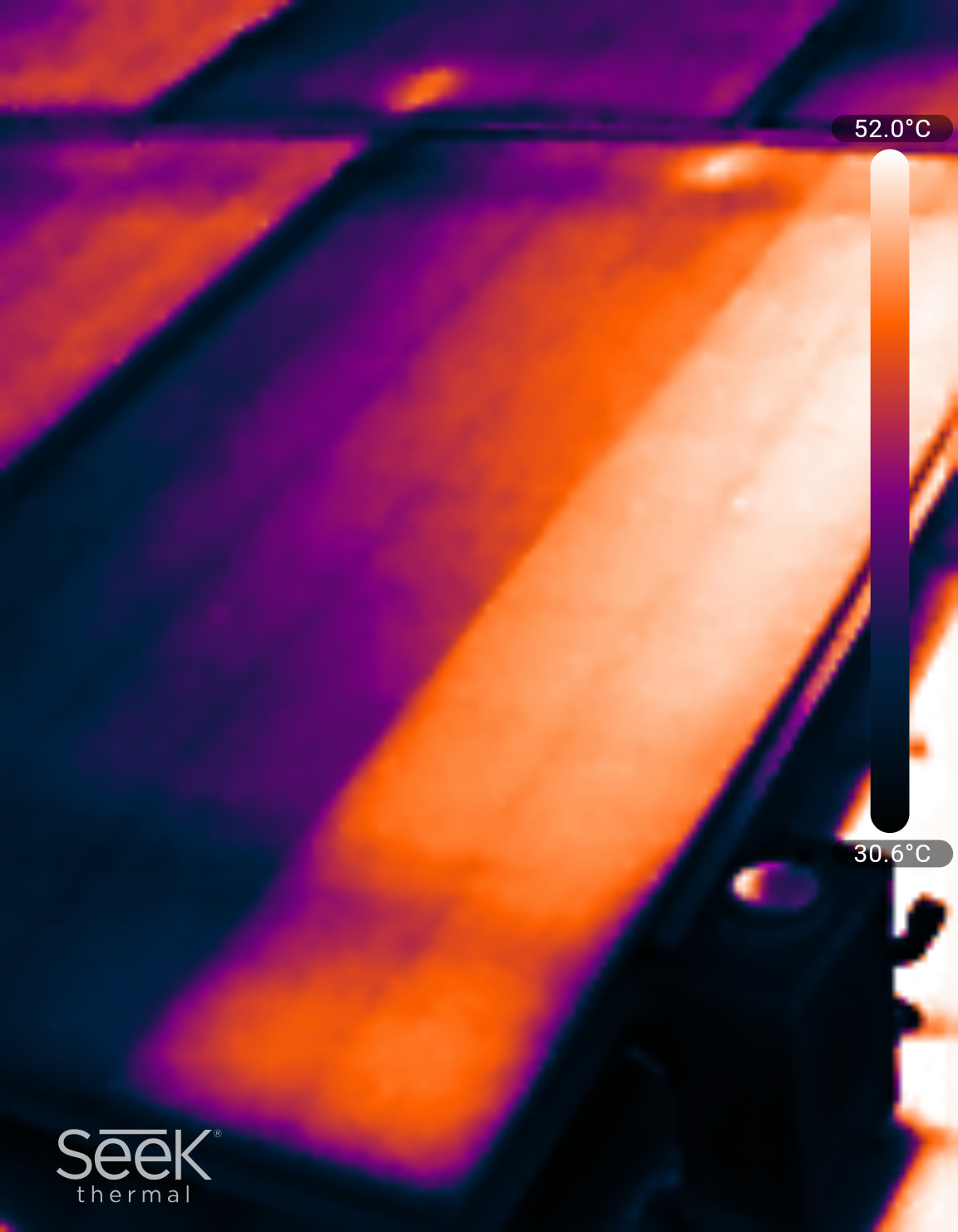
Every object emits infrared radiation proportional to its temperature. An infrared camera measures that radiation and renders it as a false-color image, with hotter areas brighter and cooler areas darker.
These patterns may warrant a closer look. Thermal images don't establish the cause by themselves.
A warmer area may be linked to shading, soiling, or a panel issue. Further evaluation is needed to identify the cause.
Temperature differences can suggest a cell issue, but don't confirm a crack or establish warranty coverage.
Unusual module temperatures can warrant a closer look. Visual inspection and electrical testing may be needed to confirm damage.
Accessible connections may show unusual heat. A qualified installer should evaluate electrical connections and confirm any fault.
A warmer cell group can have several causes, including shading or diode issues. Electrical testing is needed for diagnosis.
We share flagged images and panel locations. Your installer or manufacturer decides what evidence is needed for diagnosis or a warranty claim.
Dirt and shading can affect temperature patterns. Cleaning helps reduce these factors before interpreting the scan.
A drop in output can have several causes. Cleaning, thermal images, and monitoring data can guide further evaluation, but don't replace electrical testing.
Because we're already on the roof, there's no separate inspection fee, no second appointment, and no extra trip charge.
Cleaning removes surface buildup. Thermal images add a temperature check and can help you discuss next steps with your installer.
A thermal inspection is included with every Saturn cleaning.
We include it with every service. No add-on fees.
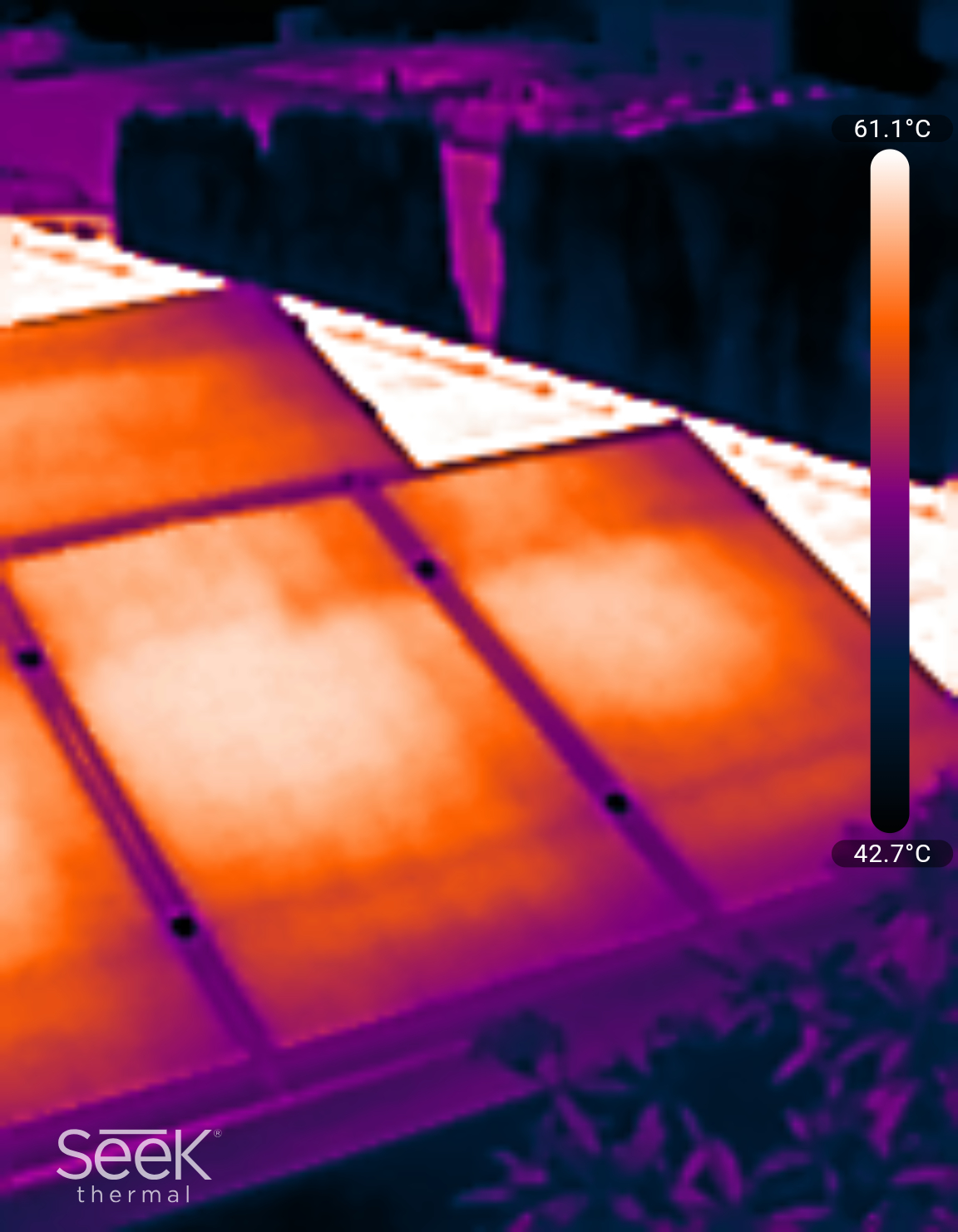
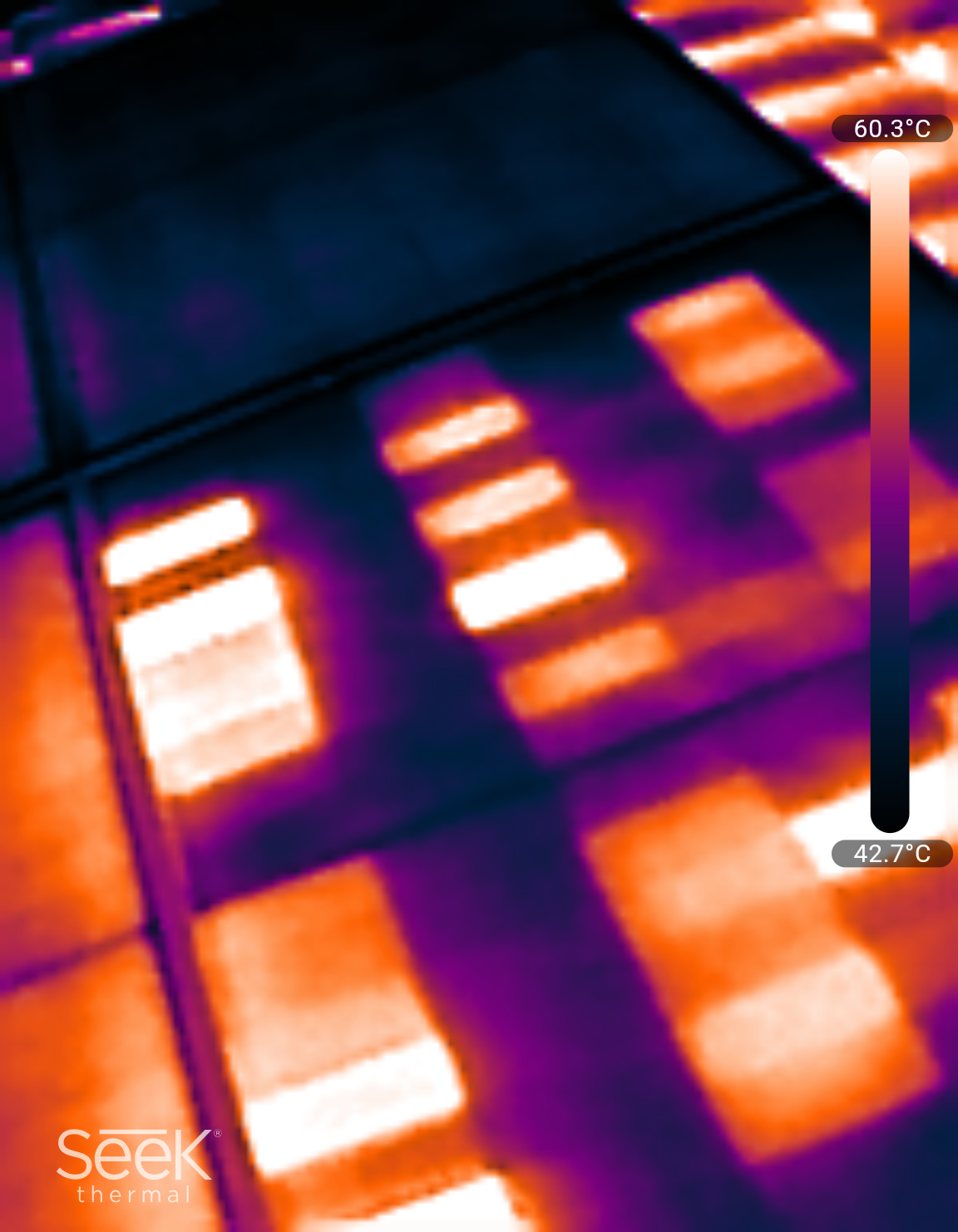
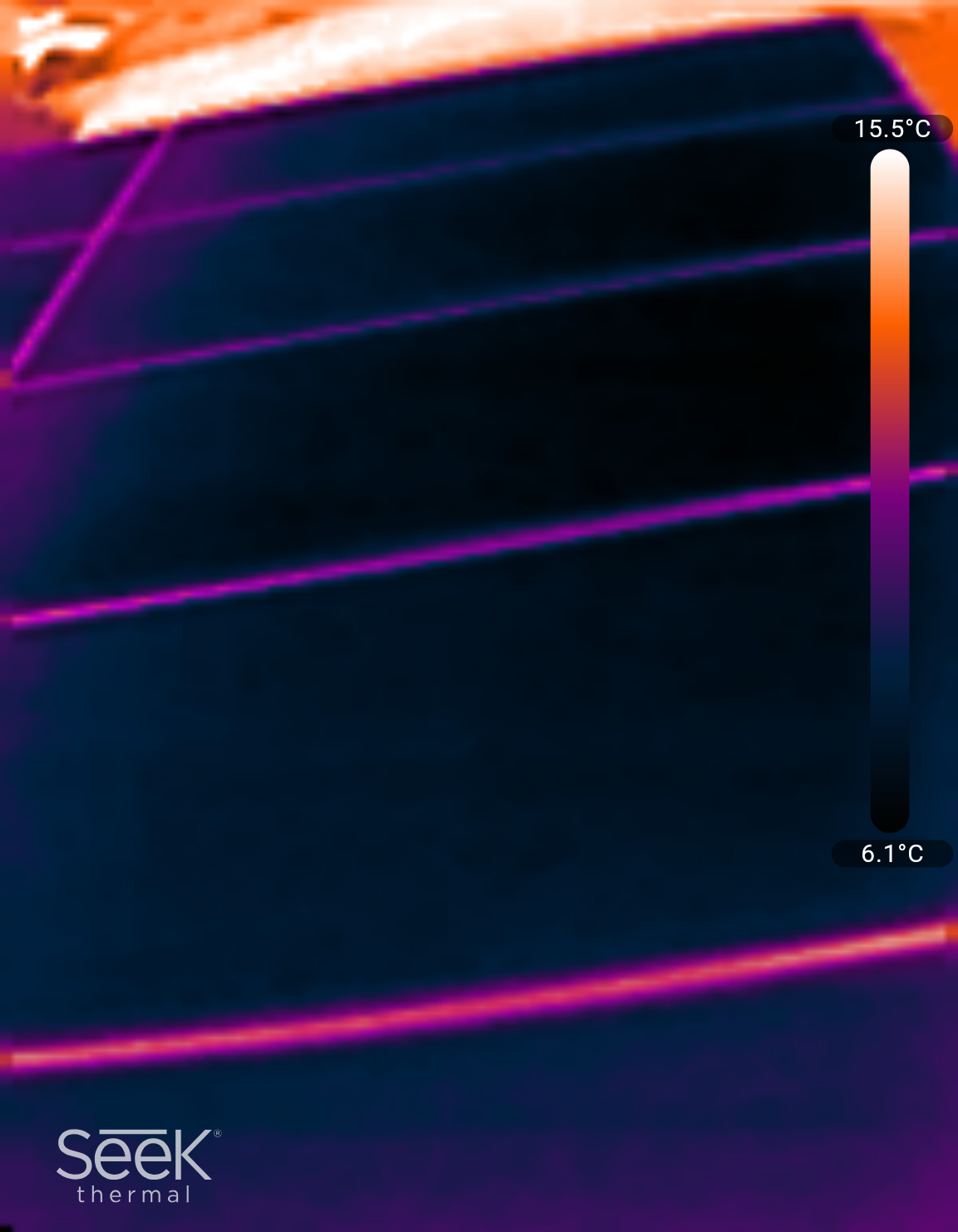
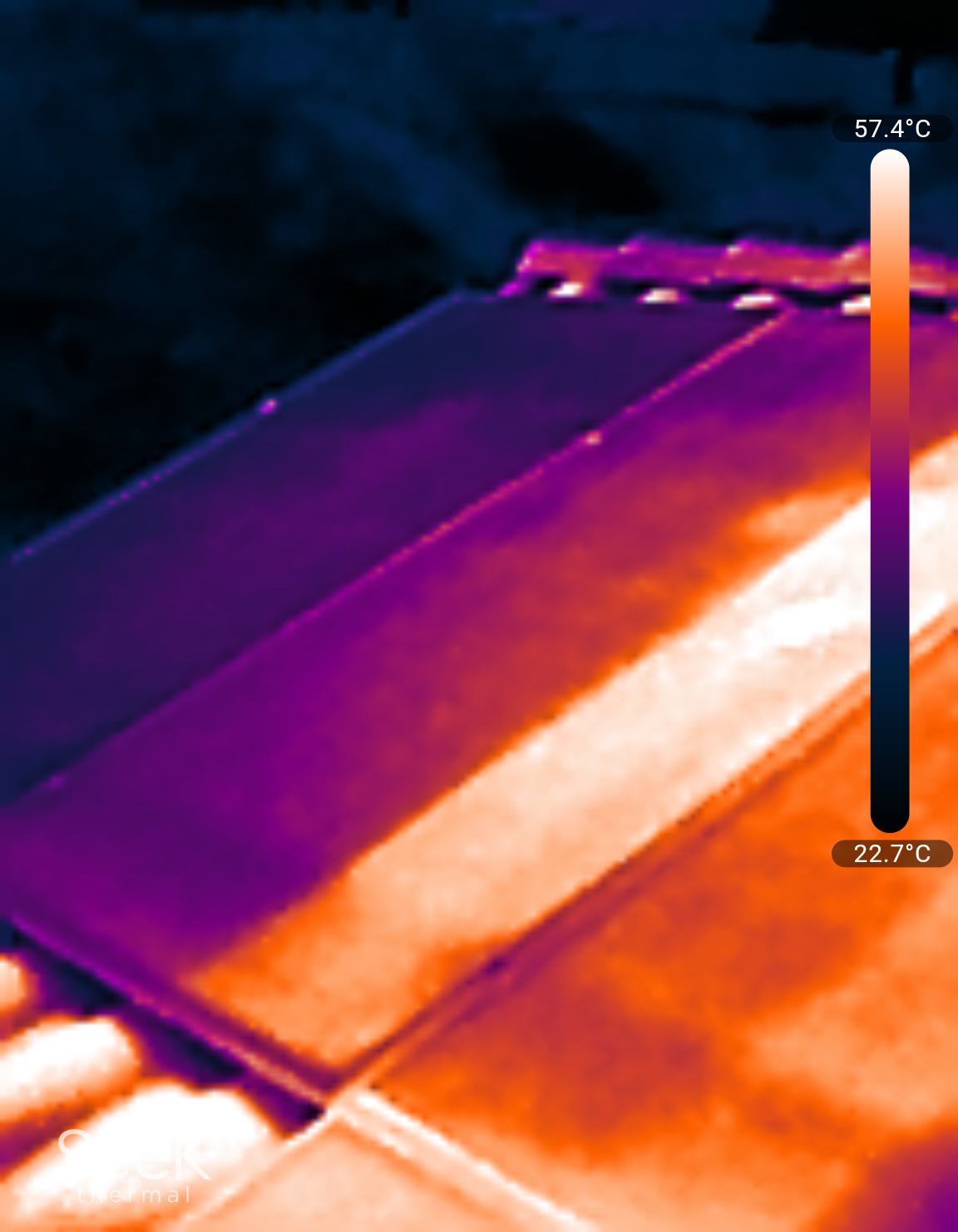
Every image below is from an actual Saturn Solar Cleaning inspection. No stock photos, no marketing renders.
Hotspot streak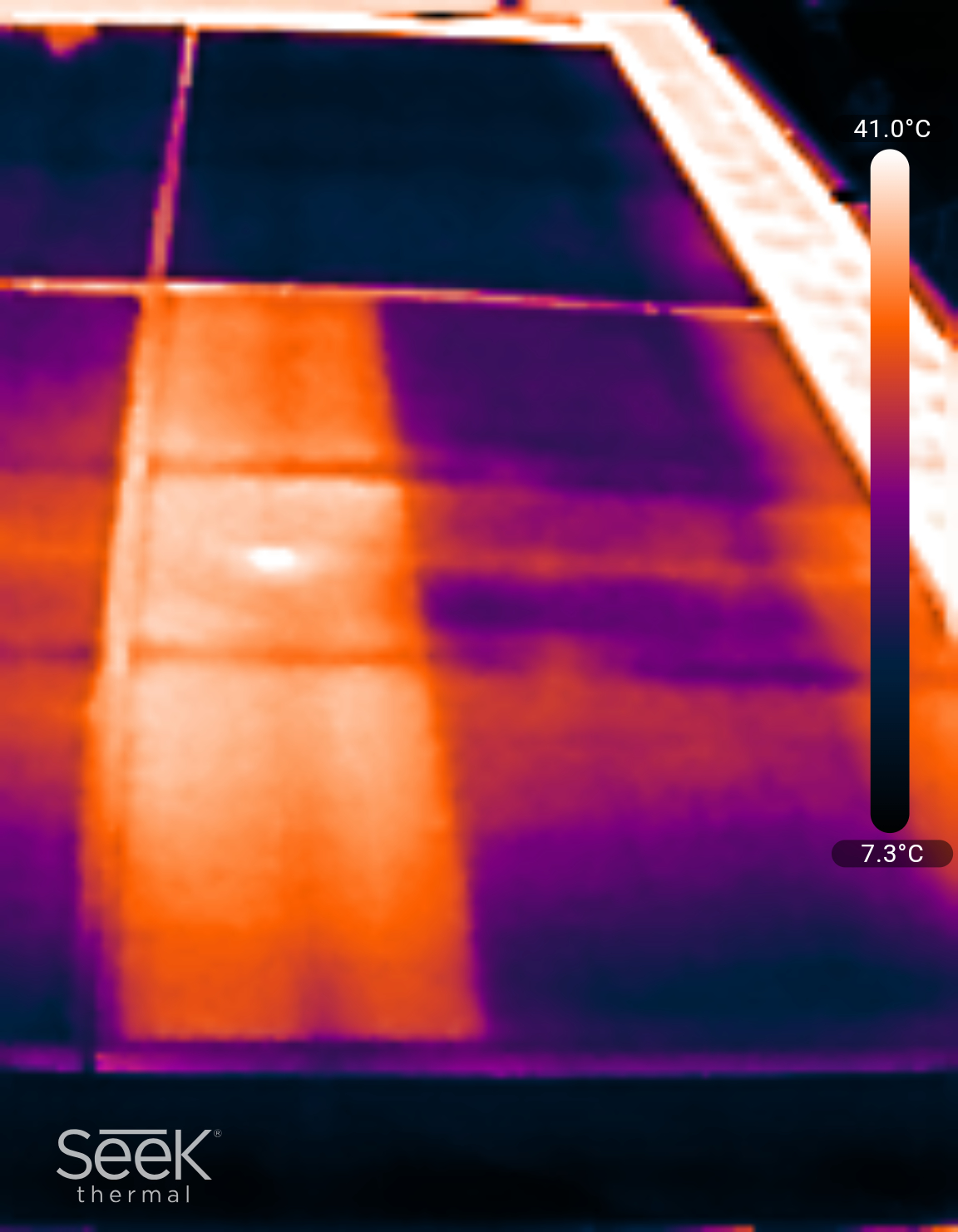 Half-and-half panelMulti-cell hot spotsHealthy panelHealthy arrayIrregular heat
Rooftop arrays for San Diego homes. Cleaning plus thermal in one visit.
Learn moreWarehouse, retail, and HOA arrays. Scheduled maintenance with full reporting.
Learn moreBiannual and quarterly plans. Thermal inspection included every visit.
Learn moreWhat San Diego solar owners ask us about infrared thermal inspections.